Phase 1
Mapping the tumor
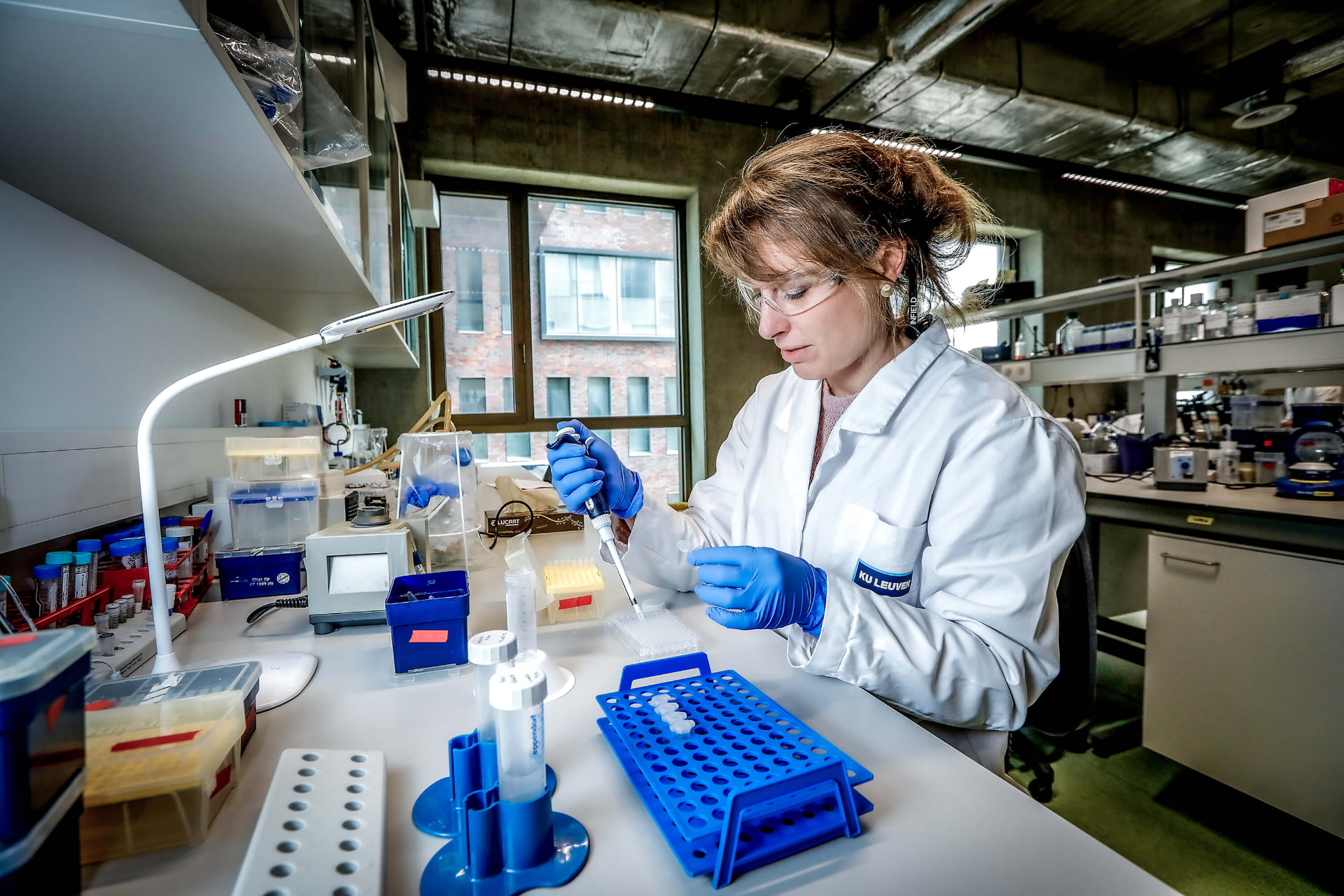
Tissue samples from hospitals across Europe are brought together and analysed with the latest spatial techniques, revealing how tumor cells, immune cells and blood vessels interact.
What we do
Ast'Ro Foundation is about more than one person or one diagnosis.
We bring together research, human connection, awareness and hope to create a better future for people affected by brain tumors and for the families who walk alongside them.
Research
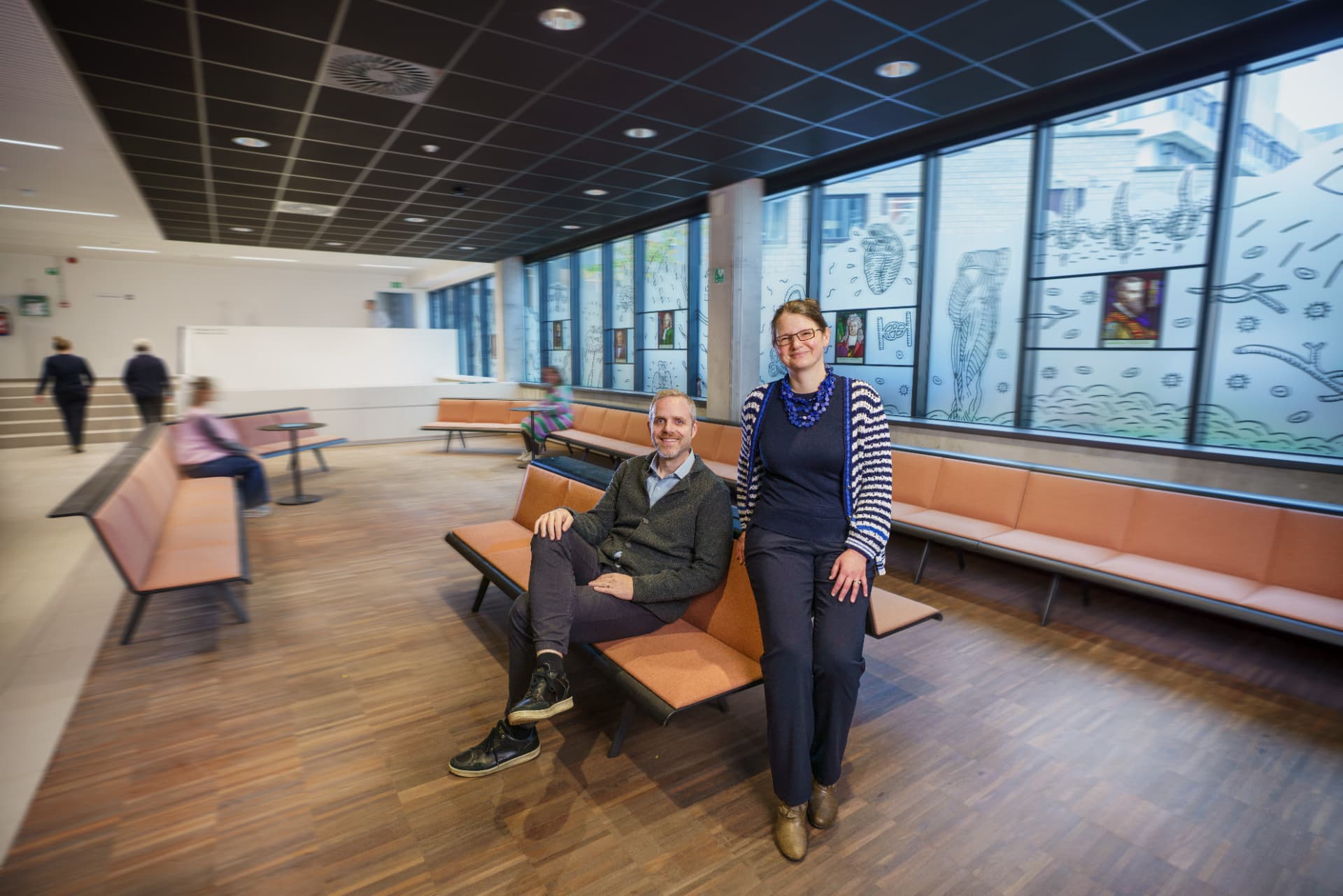
Research is at the heart of our mission. Through the Ast'Ro Chair at KU Leuven, we support groundbreaking research into rare and aggressive brain tumors. Led by Prof. Frederik De Smet and Prof. An Coosemans, the programme brings together world-class expertise, international collaborations and a clear ambition: turning scientific discoveries into better treatment options for patients. Every donation, partnership and community initiative helps fund this research and contributes to a future where more families can benefit from innovative and personalised therapies.
The research we support
High-grade glioma with piloid features (HGG-PF) is a rare and still poorly understood brain tumor. Because so few patients are affected, there has been little research — and very few treatment options.
The programme we support at KU Leuven and UZ Leuven sets out to change that: first by mapping the tumor in unprecedented detail, then by building models that let researchers test treatments before they reach patients.
Phase 1
Tissue samples from hospitals across Europe are brought together and analysed with the latest spatial techniques, revealing how tumor cells, immune cells and blood vessels interact.
Phase 2
Patient-derived cell lines and models make it possible to test which treatments work — safely, in the lab, before they are tried in patients.
The goal: repurpose medicines that already exist, so promising treatments can reach patients years sooner.
Explore the Research programme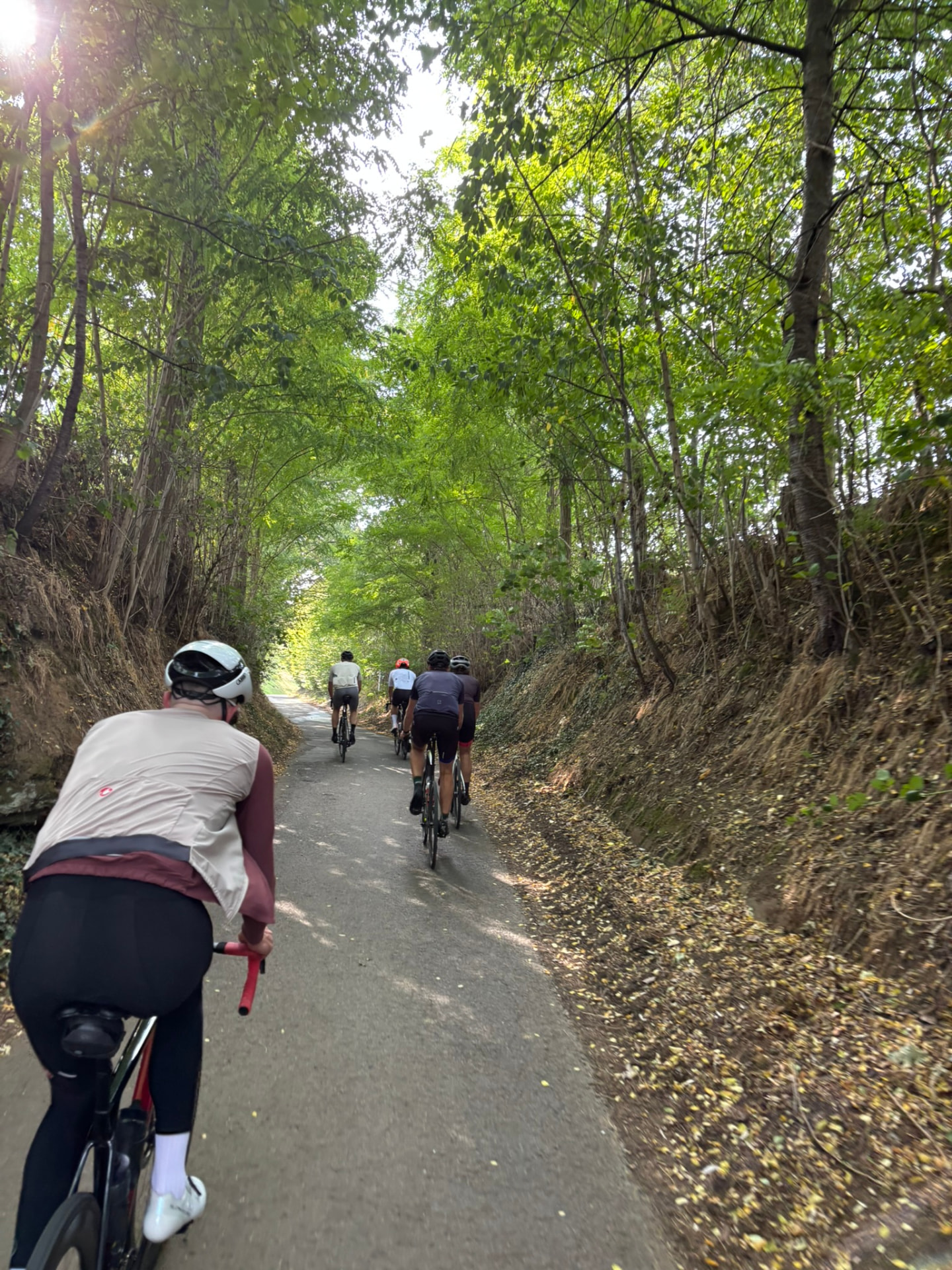
Connection
Patients, families, researchers, friends, colleagues and clubs. A diagnosis can be isolating; a community is the antidote. You are not alone.
Our events exist to create those meetings.
Living something similar? Your story can help another family feel less alone.
Awareness
Reliable information is scarce for rare brain tumors, and misinformation costs families time and energy they do not have.
We share what we learn carefully and openly, and we point people towards the professionals and organisations who can help.
Hope
Research creates possibilities.
Connection creates resilience.
Hope helps people move forward.
Together, we support research, connect people, raise awareness and create hope for families facing brain tumors.