
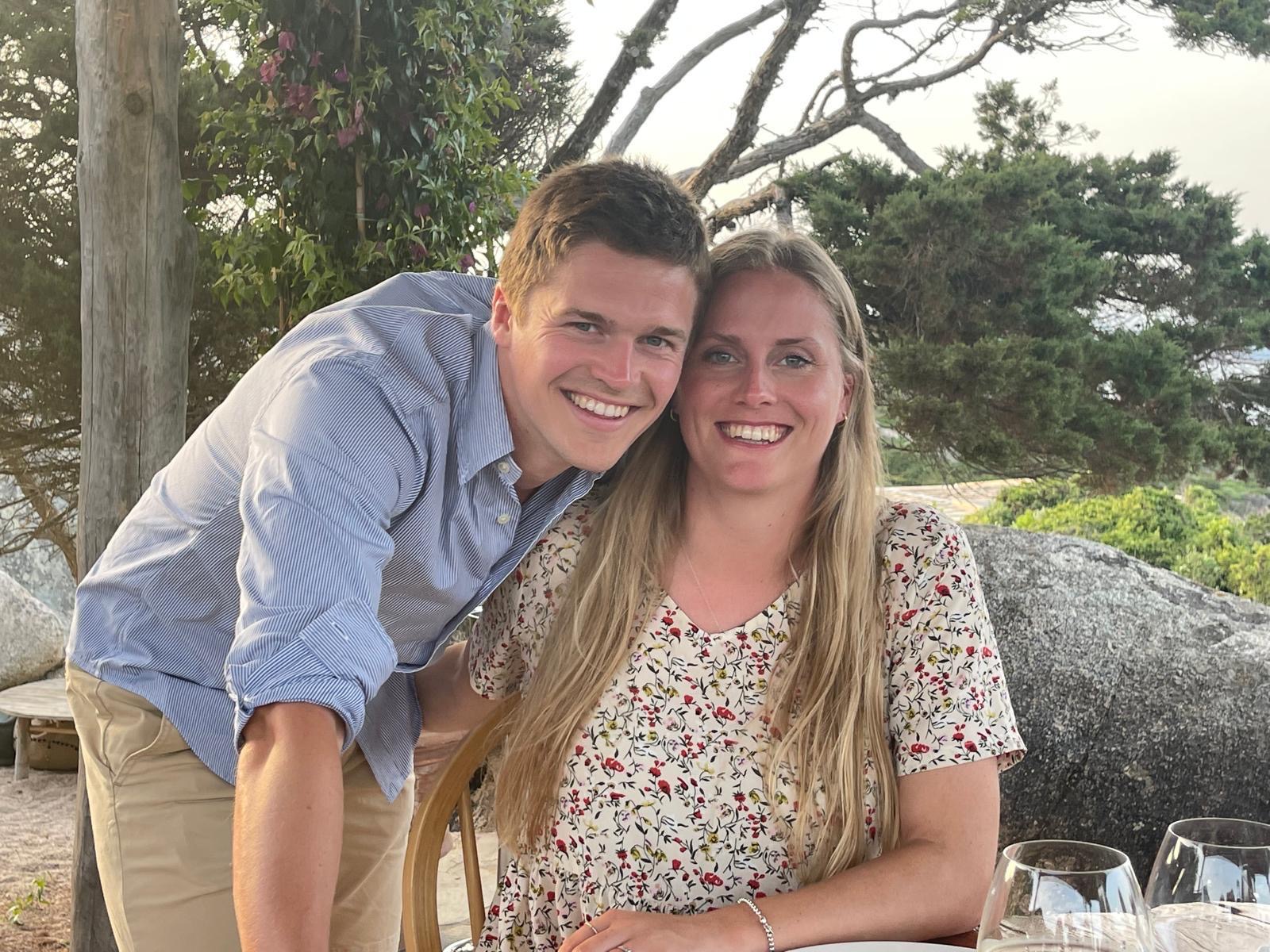
At the age of 27, Romane was diagnosed with a high-grade astrocytoma with piloid features, or HGAP. This is an extremely rare brain tumor belonging to the glioma family. Gliomas arise from cells connected to the supporting tissue of the brain. The words “high-grade” indicate that it is a malignant tumor that can behave aggressively. “Piloid features” refers to certain characteristics that pathologists recognise in the tumor tissue.
HGAP has only been officially included as a separate tumor entity since the 2021 WHO classification. The diagnosis is based not only on how the tissue looks under the microscope. The DNA methylation profile and other molecular characteristics are essential as well. As a result, tumors that were previously classified under other or broader names can today be identified more precisely as HGAP.
This recent reclassification helps explain why there are still so few reliable figures, large patient groups and established treatment guidelines. Since this classification, only five cases have been known as such at UZ Leuven and KU Leuven. That number is not a public national register figure, but the state of affairs as it was communicated to us. Worldwide, more cases are now being described, but HGAP remains very rare and the available knowledge is still limited.
What makes Romane's tumor biologically special?
Romane's tumor was examined further at the molecular level. Her medical report mentions a methylated MGMT profile, an FGFR1::TACC1 fusion and a homozygous deletion of CDKN2A/B. These are not isolated technical details. They help doctors and researchers understand which biological mechanisms drive the tumor and how it may respond to treatments.
MGMT methylation is a characteristic that is taken into account in treatments with temozolomide, the active substance in Temodal (= chemotherapy). It is one part of the overall medical picture and not a guarantee of any particular outcome.
In an FGFR1::TACC1 fusion, parts of two genes are joined together. As a result, a growth signal can become disrupted. This is scientifically important because it forms a possible target for further research into targeted therapies.
CDKN2A and CDKN2B normally help to slow down cell division. A homozygous deletion means that both copies have been lost. As a result, an important biological brake on cell growth falls away.
The combination makes Romane's tumor particularly relevant for translational research: research that tries to translate laboratory findings as specifically as possible into new diagnostics and treatments for patients.
A tumor that is visibly gone, but not biologically
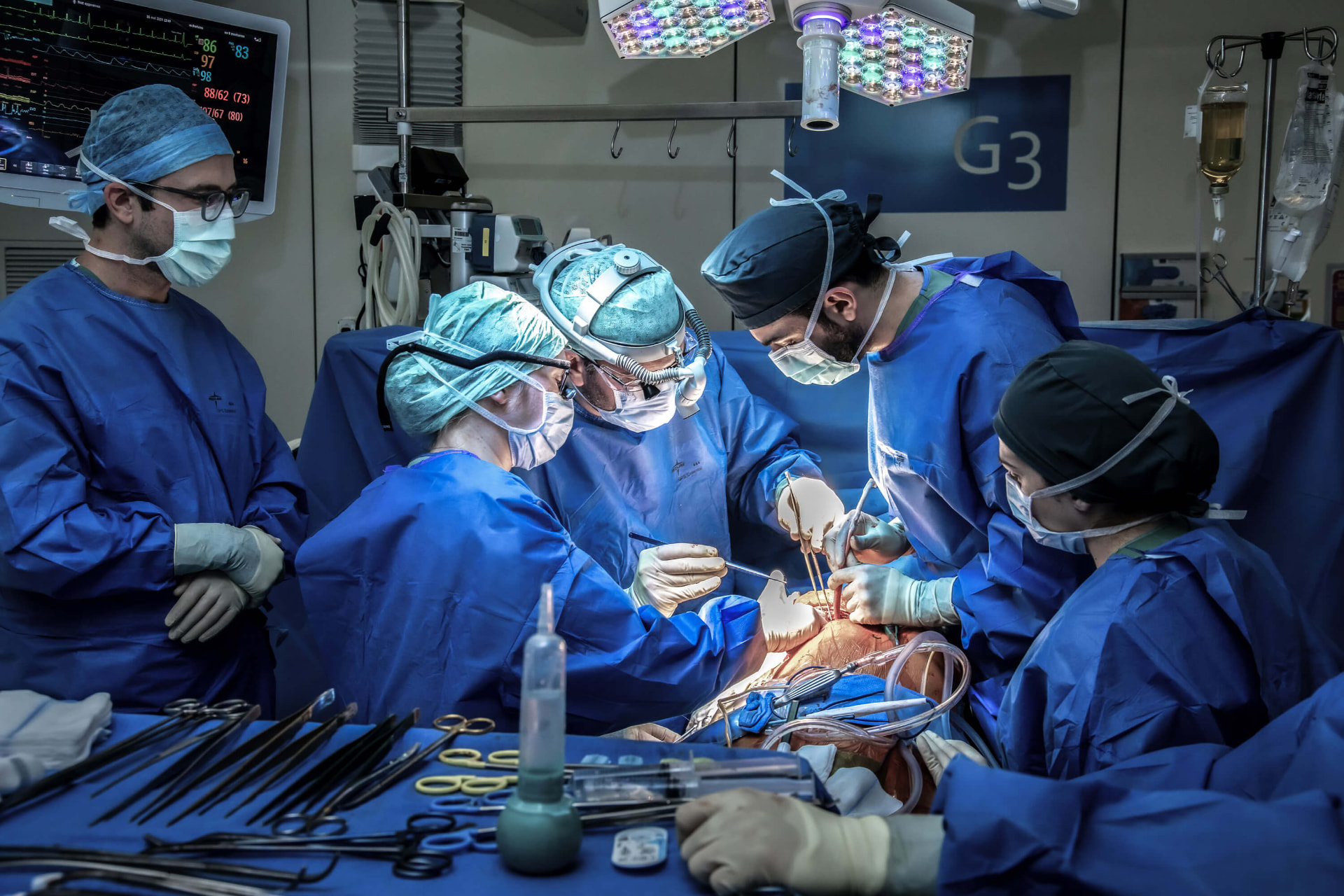
The operation on 19 August 2025 succeeded in removing the tumor completely in macroscopic terms. This means that the surgeon removed all the tumor tissue that was visible and recognisable during the operation. That is a very important and as favourable as possible starting position, but with this type of disease it unfortunately does not mean that every tumor cell has disappeared from the brain.
“The surgeon explained it as an enemy that had already sent out ‘spies’ before the operation.”
Those spies are individual or small groups of tumor cells that may have spread outside the visible tumor. They are too small or too subtle to be reliably detected with current imaging and surgical technology. An MRI can therefore show no visible residual tumor, while biologically there may still be tumor cells present. The comparison with spies is not intended as a literal medical description, but makes it understandable why a macroscopically complete resection is not the same as a cure.
The brain makes this even more difficult. A neurosurgeon operates in tissue that may be responsible for balance, movement, speech, swallowing, vision, memory and other essential functions. “Cutting more broadly”, as with some tumors elsewhere in the body, is often not possible without causing unacceptable damage. The surgeon must therefore constantly weigh the maximum oncological result against protecting healthy and indispensable brain tissue.
Our treating team explained to us that for this reason the disease is incurable and will certainly return, but that no one can predict when. That may be after a shorter or longer period. Good scans are therefore of enormous value: they give time, breathing room and hope. But they do not take away the underlying uncertainty. Every check-up remains a moment on which our lives can tip over again.
Why one tumor is not made of one kind of cell
An additional challenge is tumor heterogeneity. This means that not all cells within the same tumor are biologically identical. Some cells may be more sensitive to radiotherapy or chemotherapy, while other cells survive better or start growing again later. Precisely for this reason it is necessary to study the tumor at different levels: the tissue, the individual cells, their genetic abnormalities, their environment and their response to drugs.
Romane's treatment
Romane's treatment consisted of several heavy steps that followed one another quickly:
19 August 2025: neurosurgical removal of the visible tumor.
From September 2025: intensive rehabilitation in Pellenberg following the severe neurological consequences of the operation.
31 October 2025: a second operation to close a dural leak (= a leak in the membrane surrounding the brain).
18 November to 27 December 2025: thirty sessions of radiotherapy.
From 26 January 2026: adjuvant treatment with Temodal in 12 consecutive 28-day cycles.
Surgery, radiotherapy and chemotherapy each have their own purpose. The operation removes as much of the visible tumor as possible. Radiotherapy attempts to damage remaining tumor cells in the treated area. Temodal works systemically and is intended to further slow down or destroy tumor cells. At the same time, Romane had to learn again how to walk, swallow, speak, write, type and use her balance. The battle against the tumor and the battle to regain functions continue to run side by side to this day.
Why research into HGAP is so urgent
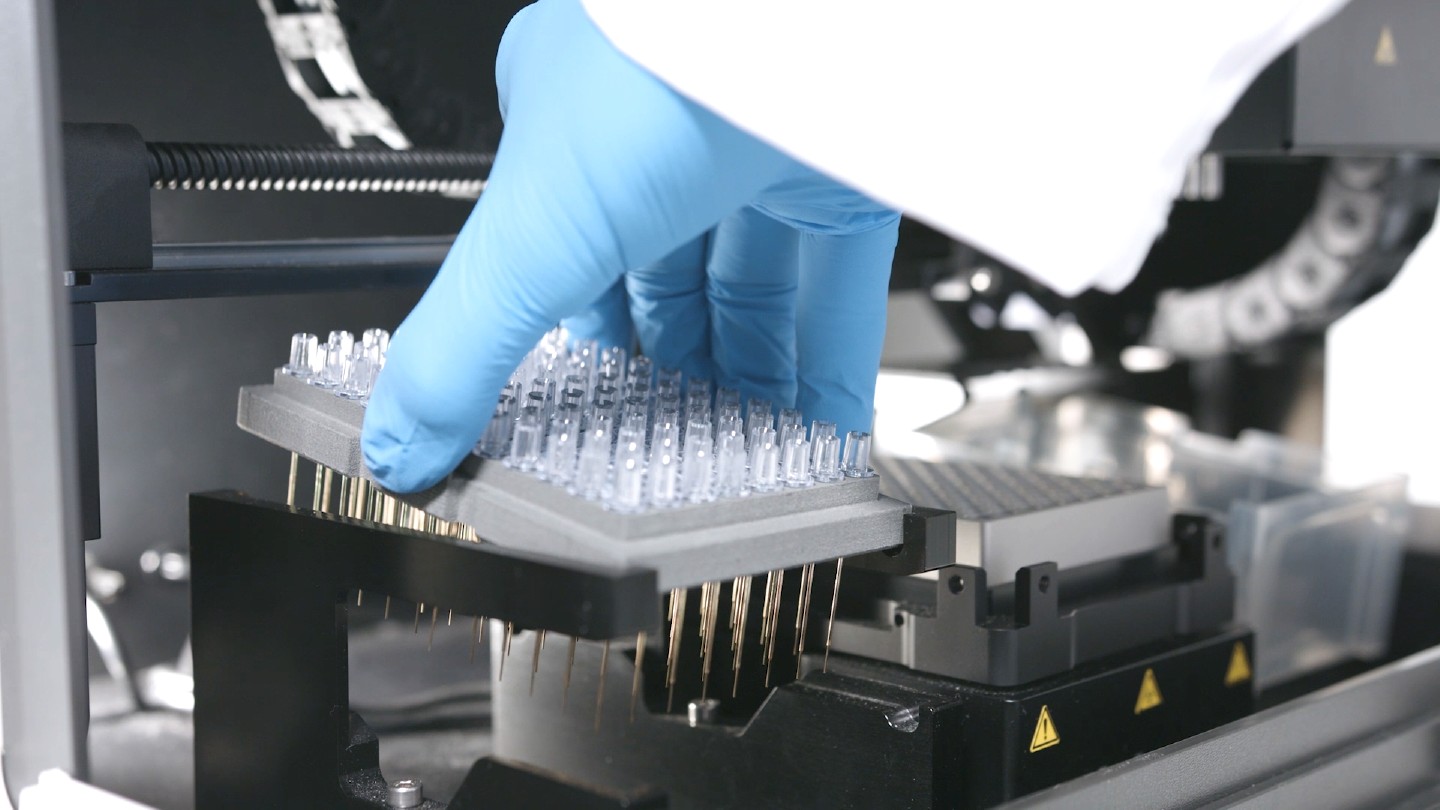
Because HGAP has only recently been recognised as a separate entity and is so rare, most publications are still based on retrospective series and individual case reports. There is not yet a generally established standard treatment developed specifically for HGAP. Doctors must therefore partly build on knowledge from related high-grade gliomas, complemented by each patient's unique molecular profile.
Precisely for a rare disease, local research is not enough. The ambition must be global. Patient samples, clinical data and expertise from different countries need to come together to create sufficient scale. Only then can researchers recognise patterns, analyse subgroups such as FGFR1::TACC1-positive tumors separately, build reliable models and test new treatments in a meaningful way.
“For a rare disease, collaboration is not an added bonus. It is a precondition for making progress possible.”
What the Ast'Ro Foundation Chair can mean
The Ast'Ro Foundation Chair in Translational Neuro-Oncology wants to help turn scientific breakthroughs into new treatments for patients with high-grade gliomas with piloid features. The chair gives researchers time, people, infrastructure and continuity to go beyond isolated case descriptions.
For us, this concretely means that Romane's illness is not only monitored, but can also be better understood. The chair can contribute to a worldwide collection of well-characterised patient samples and data, to patient-derived cell models and other research models, to the identification of the tumor's vulnerabilities and to the preparation of early clinical trials. The global ambition is essential in this: knowledge from Leuven must be connected with expertise and patient populations across national borders.
For society, this creates leverage. Insight into a rare tumor can also yield broader knowledge about how brain tumors arise, escape therapy and return. A chair also builds lasting expertise. It brings doctors, researchers, patients, families, international centres and funders together around the same goal.
Why Ast'Ro Foundation wants to support this
Ast'Ro Foundation was born out of love for Romane and out of the need to turn helplessness into direction. The Foundation wants to make the fight against brain diseases more humane, more understandable and more visible, while at the same time accelerating research through fundraising, partnerships and an engaged community.
The chair is not an abstract academic project to us. It is a concrete bridge between the story of one family and the future of many patients. Every sample that is correctly analysed, every model that mimics a tumor, every candidate treatment that is tested and every international collaboration that emerges can narrow the distance between “we don't know” and “we can do something”.
“We cannot promise Romane certainty. But together we can make sure that rarity no longer means the same thing as standstill.”